Introduction
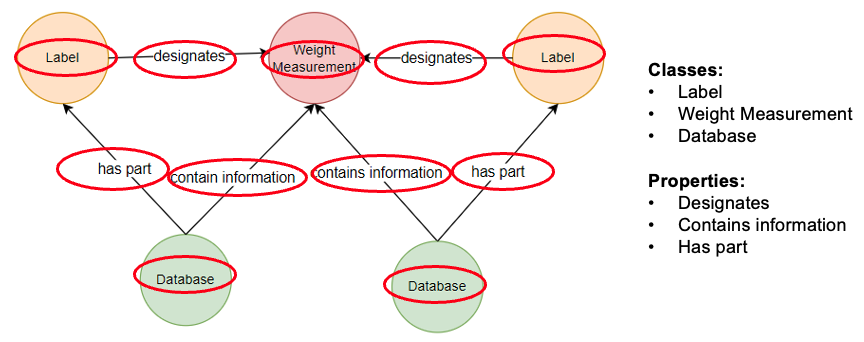
A Domain Ontology (DO) is a specialized knowledge model that describes specific objects, events, and relationships within a particular field of interest, like armaments or aviation. It’s like a specialized dictionary that not only defines terms but also explains how they relate to each other in a specific context.
|
Domain Ontologies are the "specialized dictionaries" for specific engineering domains that enable precise communication and interoperability between different tools and teams working within that domain. |
Overview
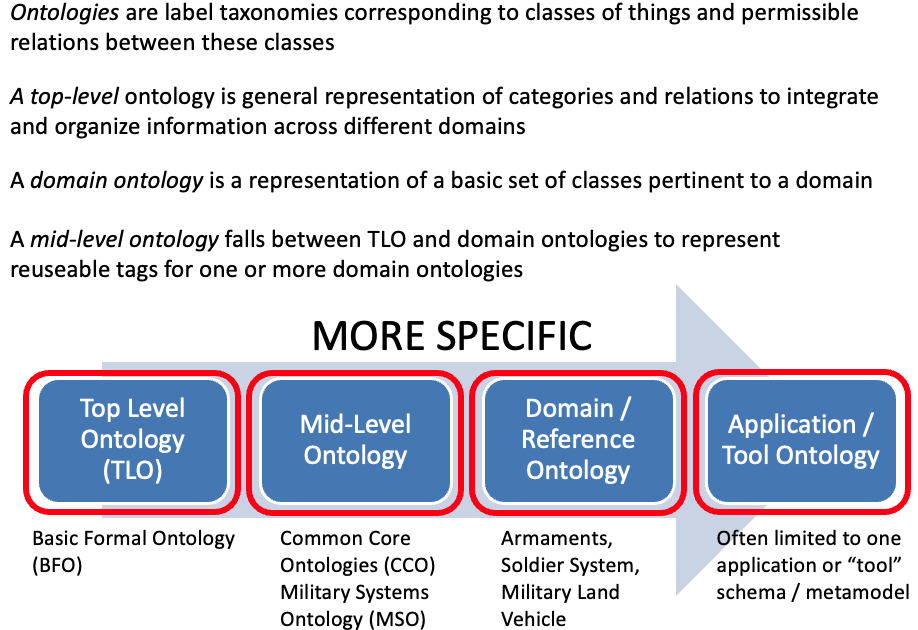
Domain Ontologies (DOs) are a critical layer in the ontology ecosystem that provide domain-specific knowledge representation for digital engineering (DE) applications. They sit between mid-level ontologies (MLOs) and application ontologies in the ontology hierarchy, specializing the general concepts from higher-level ontologies for specific domains.
Domain Ontologies are characterized by: - Specializing basic types from Top-Level Ontologies (TLOs) and Mid-Level Ontologies (MLOs) - Describing "things" such as objects, events, and relationships specific to a limited knowledge domain - Enabling precise representation of domain knowledge for computational reasoning - Supporting interoperability within and across specific engineering domains
|
Domain Ontologies are not built from scratch. They leverage and extend existing ontologies like BFO and CCO, making them more efficient to develop and maintain. |
Position in Knowledge Hierarchy
Broader concepts: - Ontology (is-a)
Details
Domain Ontologies provide the necessary specificity for engineering domains while maintaining compatibility with broader ontological frameworks. They represent the "sweet spot" between overly general top-level ontologies and overly specific application ontologies.
Ontology Hierarchy and Positioning
Domain Ontologies occupy a specific position in the ontology hierarchy as shown in the following table:
Ontology Type |
Description |
Top-Level Ontology (TLO) |
Very general, philosophical foundation (e.g., BFO) |
Mid-Level Ontology (MLO) |
General concepts across multiple domains (e.g., CCO) |
Domain Ontology (DO) |
Specialized for a specific domain (e.g., Armaments, Aviation Vehicles) |
Application Ontology |
Aligns with specific engineering tools and workflows |
The context explains: "Domain-level ontologies identify types that further specialize the basic types from BFO and/or one or more mid-level ontologies. Domain Ontologies (DO) describe 'things,' such as objects, events, and relationships that are of interest to a more limited number of knowledge domains (e.g., Armaments, Aviation Vehicles, Biology, etc.)."
Creating a Domain Ontology
Creating a Domain Ontology involves these key steps:
-
Define boundaries of the subject matter: Determine the scope of the domain
-
Gather information: Identify terms from reference architectures, handbooks, and SMEs
-
Order terms in a hierarchy: Organize terms from general to specific
-
Ensure coherence: Maintain logical consistency with existing ontologies
|
When creating a Domain Ontology, always consider the existing ontology ecosystem (TLOs, MLOs) to ensure compatibility and avoid creating redundant terms. Reusing existing terms is more efficient than creating new ones. |
Domain Ontology Development Best Practices
Based on the context, here are key best practices for Domain Ontology development:
-
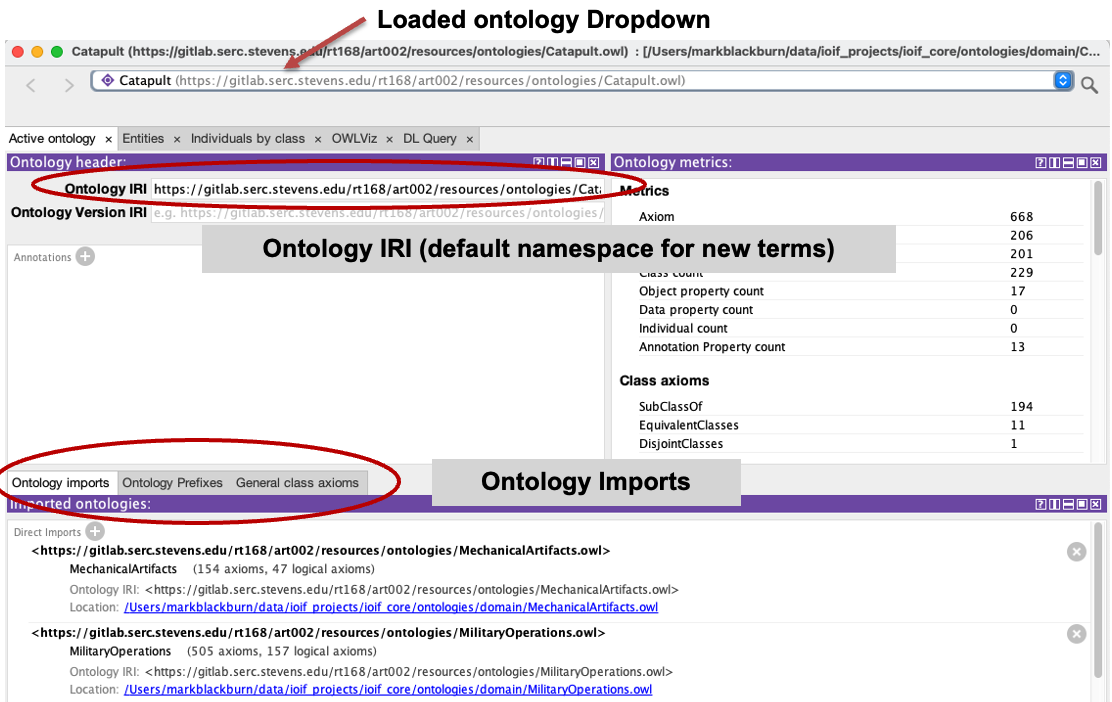
Reuse existing ontologies: Import and extend existing ontologies rather than creating from scratch
-
Use descriptive naming: Ensure terms clearly differentiate from other terms
-
Maintain BFO alignment: Follow Basic Formal Ontology principles for consistency
-
Create meaningful definitions: Every term should have a clear, meaningful definition
-
Avoid "ontology of everything": Focus on terms actually needed for the specific use case
|
Avoid creating domain-specific terms that duplicate or conflict with terms in existing ontologies. This can lead to interoperability issues and increased maintenance burden. |
Practical applications and examples
Domain Ontologies are crucial for enabling interoperability across engineering domains in digital engineering workflows. Here are some practical examples from the context:
Armaments Domain Ontology
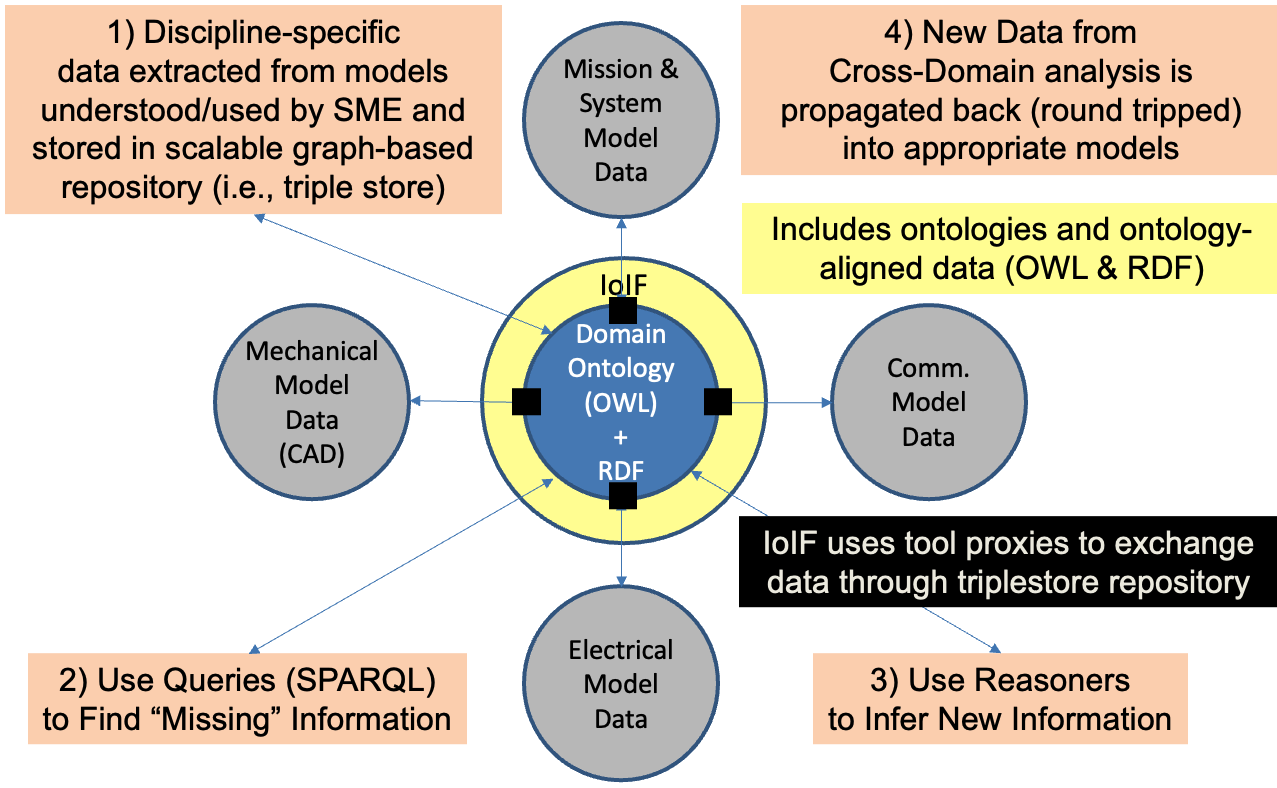
The context describes an armaments domain ontology used in the IoIF framework: - Used to represent armament systems and their relationships - Enabled integration between mission models, system models, and analysis models - Supported by the Common Core Ontologies (CCO) as a mid-level foundation
Soldier System Domain Ontology
The context provides an example of a soldier system ontology: - Developed to support analysis of how training and equipment affect soldier performance - Built upon BFO and CCO, with specific extensions for soldier system elements - Used to tag SysML model elements for interoperability with analysis tools
|
The soldier system ontology example demonstrates how a Domain Ontology can be developed by: 1. Starting with the model to identify needed terms 2. Importing relevant parts of existing ontologies (BFO, CCO) 3. Creating specific terms for the domain while maintaining compatibility |
Workflow Integration with IoIF
Domain Ontologies are integrated into the IoIF workflow as follows:
-
Domain Ontology is loaded into the IoIF framework
-
SysML models are tagged with stereotypes corresponding to ontology classes
-
Tool proxies translate between model elements and ontology-aligned data
-
Analysis workflows use the ontology to reason about domain-specific relationships
|
Domain Ontologies are the bridge between high-level system models (like SysML) and the computational reasoning capabilities of the Semantic Web Technologies (SWT) stack. |
Related wiki pages
References
Ontology Hierarchy
Visualize the relationship between different ontology types
Associated Diagrams